Information
Technology Project Management – Week #6 Lecture
Project Time Management
Project Time
Management Processes
Planning schedule management is defining
the guidelines, processes, and documentation used for project schedule
planning, executing, and controlling. Defining activities involves
distinguishing the tasks that project team members must complete to produce the
project deliverables. Sequencing activities are recognizing and
recording the connections between project tasks. Estimating activity
resources involves approximating how many project team members are needed to complete project activities. Estimating
activity durations is assessing the quantity of work units needed to complete
project activities. Developing the schedule is analyzing the
sequences of project activities, resources required to perform the activities,
and estimating activity durations to create the project schedule. Controlling
the schedule involves managing changes to the project schedule.
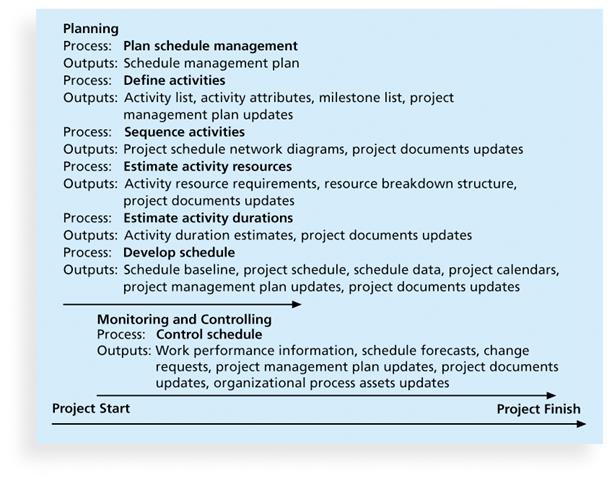
Figure 1 Project Time Management Summary (Schwalbe, 2015)
Planning Schedule Management
The schedule management plan is developed by the project team by use of expert
judgment, meetings, and analytical techniques. A schedule
management plan includes:
- Project schedule model development
- The scheduling methodology
- Level of accuracy and units of
measure
- Control thresholds
- Rules of performance measurement
- Reporting formats
- Process descriptions
Defining
Activities
An activity or task is an item of work
grouped and sequenced in the work breakdown structure (WBS). An activity
or task has an assigned duration, a cost, and a resource responsible for its
completion.
Activities are defined and detailed in the WBS. Included are supporting
comments and explanations of the activities to aid the understanding of the
work done to create realistic duration and cost estimates.
Milestones
A milestone is a significant event that normally has no duration.
Milestones are met after many tasks are
completed. Milestones are useful for scheduling and monitoring project
progress. An example of a milestone is when a project’s phase changes from development to testing.
Sequencing Activities
Sequencing activities involve reviewing activities and
determining dependencies. A dependency or relationship is
the sequencing of project activities or tasks. You must determine
dependencies to use critical path analysis.
Three Types of Dependencies
There are three types of dependencies. Mandatory dependencies are
inherent to the nature of the work being performed on
a project, sometimes referred to as hard logic. Discretionary
dependencies are defined by the project team.,
sometimes referred to as soft logic and should be used with care since they may
limit later scheduling options. External dependencies involve
relationships between project and non-project activities.
Network Diagrams
Network diagrams are the preferred technique for showing project activity
sequencing. A network diagram is a schematic display of the
logical relationships among, project activities, or a sequencing of project
activities. Two main formats of network diagrams are the arrow and
precedence diagramming methods.
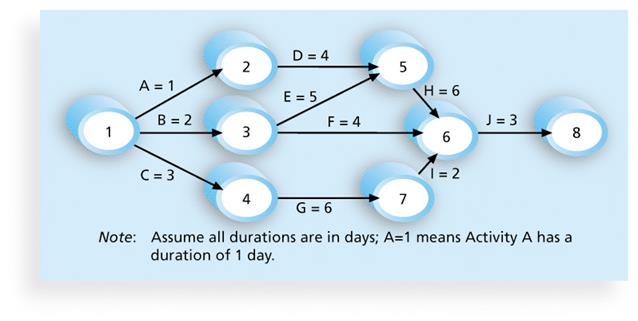
Figure 2 Network Diagram for Project X (Schwalbe,
2015)
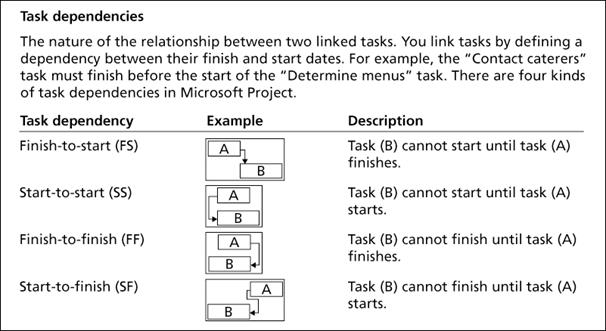
Figure 3 Task Dependency Types (Schwalbe, 2015)
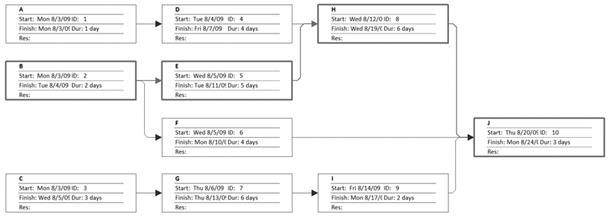
Figure 4 Sample PDM Network Diagram (Schwalbe, 2015)
Estimating Activity Resources
Before estimating activity durations, you must have a good idea of the quantity
and type of resources that will be assigned to each activity; resources
are people, equipment, and materials.
Consider important issues in estimating resources.
- How difficult will it be to do
specific activities on this project?
- What is the organization’s history
in doing similar activities?
- Are the required resources
available?
A resource
breakdown structure is a hierarchical structure that identifies the
project’s resources by category and type
Activity Duration Estimating
Duration includes the actual amount of time worked on an activity plus
elapsed time. Effort is the number of workdays or work hours
required to complete a task. Effort does not normally equal
duration. People doing the work should help create estimates, and an
expert should review them.
Three-Point Estimates
Instead of providing activity estimates as a discrete number, such as four
weeks, it’s often helpful to create a three-point
estimate. A three-point estimate includes an optimistic, most likely,
and pessimistic estimate, such as three weeks for the optimistic, four weeks for the most likely, and five weeks for the
pessimistic estimate. Three-point estimates are needed
for Monte Carlo simulations.
Developing the Schedule
When developing the schedule, the results of the other
time management processes are used to determine the start and end date of the
project. The ultimate goal is to create a realistic project schedule that
provides a basis for monitoring project progress for the duration of the
project. Important tools and techniques include Gantt charts, critical
path analysis, and critical chain scheduling, and PERT
analysis
Gantt Charts
Gantt charts provide a standard format for displaying project schedule
information by listing project activities and their corresponding start and
finish dates in a calendar format
Symbols include:
- A black diamond: a milestone
- Thick black bars: summary tasks
- Lighter horizontal bars: durations
of tasks
- Arrows: dependencies between tasks
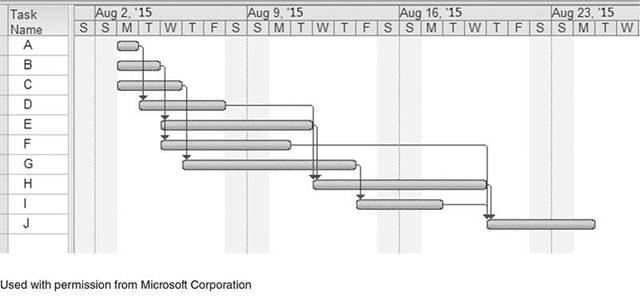
Figure 5 Gantt Chart for Project X (Schwalbe, 2015)
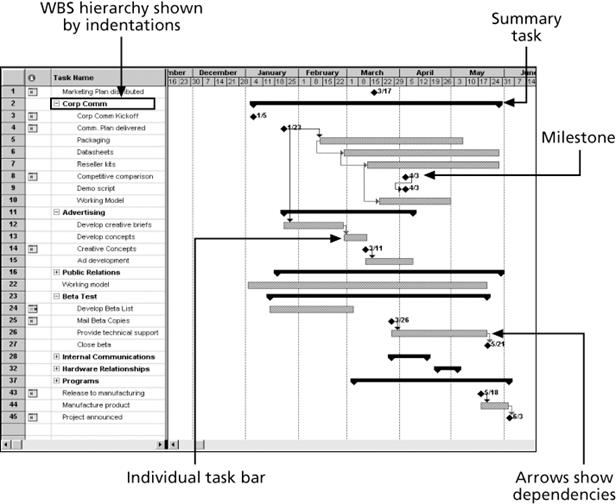
Figure 6 Gantt Chart for Software Launch Project
(Schwalbe, 2015)
Agile and Time
Management
Core values of the Manifesto for Agile Software Development are:
- Customer collaboration over
contract negotiation
- Responding to change over following
a plan
- The product owner defines and
prioritizes the work to be done within a sprint, so collaboration and time
management are designed into the process
- Teams focus on producing a useful
product in a specified timeframe with strong customer input
- Don’t emphasize defining all the
work before scheduling
it
Controlling the
Schedule
Controlling the schedule involves knowing the schedule
status, and influence factors that cause schedule changes, methods to detect
that the schedule has changed, and management of changes when they occur.
Tools and techniques used include:
- Progress reports
- A schedule change control system
- Project management software,
including schedule comparison charts like the tracking Gantt chart
- Variance analysis, such as
analyzing float or slack
- Performance management, such as
earned value
- Control schedule
References
Schwalbe, K. (2015). Information technology project
management. Cengage Learning.
If you have
any questions about this lecture, feel free to ask them in the 'Ask the
Professor' discussion found in Week 1